Bioidentical Hormone Replacement Therapy: Insiders' Guide
10 minute read

Summary
Bioidentical hormone replacement therapy (BHRT) offers relief from perimenopause and menopause symptoms such as hot flashes, mood swings, night sweats, and vaginal dryness by replenishing declining hormones like estrogen and progesterone with compounds identical to those produced by the body. FDA-approved BHRT options include pills, patches, gels, sprays, and vaginal creams, each with specific benefits to their route and unique considerations in regards to individual medical history and lifestyle. Potential side effects from using BHRT are generally mild and adverse events are rare, however women with a history of breast cancer, severe liver disease, or undiagnosed vaginal bleeding should consult a physician who is knowledgeable in menopause health and regimens before starting therapy.
Are you thinking about starting hormone replacement therapy (HRT)? If your menopause symptoms are interfering with your daily routine, work, health goals or relationships, hormone therapy can help you feel more like yourself again.
While exploring your options with a menopause-informed physician, they may ask you whether you prefer bioidentical or synthetic hormones. If your first response to that is, "um, huh?” don’t worry! While the difference isn’t as intuitive as their names suggest, both can offer benefits. It just comes down to which one might be right for you and what the current guidelines and recent studies show. At Alloy, our partner physicians prescribe FDA-approved bioidentical estradiol and micronized progesterone regimens that are standardized and available at regular pharmacies.
Read ahead to learn more about what bioidentical hormones are, how they differ from synthetic hormones, and what FDA-approved bioidentical hormone therapy regimens are available.
What Are Bioidentical Hormones?
During perimenopause, your ovaries gradually produce less estrogen and progesterone. Those hormonal shifts are what contribute to many of the symptoms you might experience in midlife, including hot flashes, night sweats, vaginal dryness, and mood changes.
Hormone therapy can help, especially for vasomotor symptoms like hot flashes and genitourinary syndrome of menopause (GSM) symptoms, like vaginal dryness.
Bioidentical hormones are hormones that have the same molecular structure as the hormones your body naturally produces. The two primary bioidentical hormones used in menopause treatment are estradiol and progesterone.
Bioidentical hormones can be manufactured by pharmaceutical companies or prepared by compounding pharmacies. They're different from some older hormone therapies that contain conjugated estrogens or synthetic progestogens, which aren't identical to the hormones your body makes.
Bioidentical vs. Synthetic (Non-Bioidentical) Hormones
It’s helpful to define bioidentical, natural, and synthetic hormones to understand the differences between bioidentical hormone replacement therapy (BHRT) and synthetic HRT.
The truth is, both bioidentical and synthetic hormones are made in a lab. The main difference is that bioidentical hormones are typically made from plant-derived compounds that are processed into hormones with the same molecular structure as your own.
Synthetic non-bioidentical hormones have a different chemical structure than the hormones your body naturally makes. An example would be the estrogens that are used in oral contraceptive pills. Another would be conjugated equine estrogens (CEEs), which arise in a mare’s urine and are therefore considered natural, but are not bioidentical since they don’t mimic estradiol produced by the ovaries.
Symptoms BHRT Treats
As your overall estrogen and progesterone levels decline during perimenopause, you may notice a lot of different symptoms. While they might not appear to be connected, they're often occurring for the same underlying reason: estrogen loss. Hormonal changes like this can affect multiple organ systems and impact everything from your metabolism to your mood.
Research shows that BHRT, particularly estrogen, is the most effective treatment for vasomotor symptoms like hot flashes or night sweats, and it can also positively impact mood changes, low libido, sleep problems, joint pain, and, for some women, low energy or brain fog. It is also FDA approved to treat and prevent the progression of GSM.
If menopause symptoms are affecting your quality of life, BHRT may be the most effective treatment option to discuss with your physician. Together, you can determine whether BHRT hormone therapy is appropriate for your symptoms and health history.
Types of Bioidentical Hormone Replacement Therapy
Bioidentical hormone replacement therapy comes in several different forms. Be sure to partner with your physician to identify which option can work best for your health history, lifestyle, symptoms, and personal preferences.
Pills
One BHRT option is estradiol in pill form, and it’s often recommended for people experiencing symptoms like hot flashes, mood swings, and sleep issues.
Generally, the oral formulation of estradiol is the most commonly prescribed, and is taken once a day, at 0.5 mg, 1 mg, 1.5 mg, or 2 mg, depending on your physician’s recommendation.
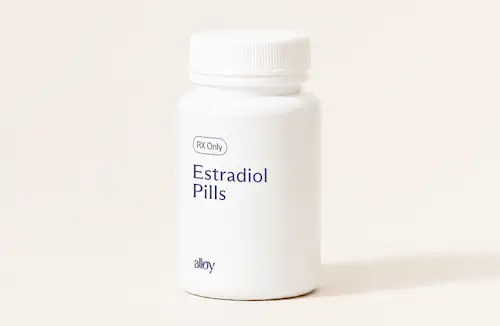
Estradiol Pill
Starting at $39.99 /mo
As with all forms of systemic estrogen, if you have a uterus, you'll also need to take progesterone to help protect your uterine lining.
The oral option should be discussed with your healthcare provider. They can review your medical history to determine if it’s appropriate and recommended, especially if you don't smoke, don't have high blood pressure, and don’t have a history of blood clots, heart disease, or liver disease.
Patches
The Estradiol Patch is a popular route. This can be a more convenient option since you only have to change the patch once or twice a week instead of taking an oral pill daily. The patch is generally recommended for women who smoke, are overweight, experience hypertension or migraines, or have a family history of stroke or heart disease. Review your medical history with your physician to see if they recommend the patch or another transdermal route.
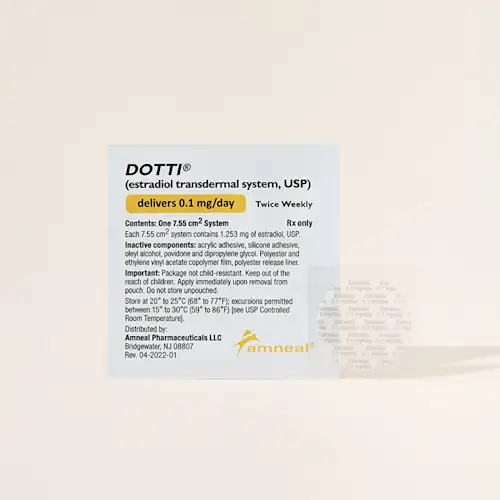
Estradiol Patch
$100 /mo
Gels
Like the estradiol patch, BHRT gels are transdermal, which means they’re absorbed through the skin. And similar to the estradiol pill or patch, they are FDA approved to treat perimenopausal and menopausal symptoms like hot flashes, night sweats, as well as the treatment and prevention of vulvovaginal complaints consistent with GSM. The gel is generally applied daily directly to your thigh.
Evamist® Estradiol Spray
BHRT estradiol mist is also transdermal and has the benefit of flexible dosing based on your doctor’s instructions. Depending on your symptoms, your physician may recommend either 1, 2 or 3 sprays to titrate to the recommended dosing dependent again on medical history and symptoms. It’s typically applied to your arm.

Evamist® Estradiol Spray
$69.99
Vaginal Creams
Estradiol Vaginal Cream treats GSM symptoms, like vaginal dryness, itching, burning, painful sex, and frequent UTIs.
Vaginal cream contains a small dose of estrogen and is not used to treat systemic symptoms such as hot flashes or night sweats. However, it can complement the use of systemic BHRT and target the vulvovaginal tissues directly.
You can either insert the cream into the vagina with an applicator to target the vaginal mucosa or apply it externally to the vulva. The recommended use is usually every other day for the first couple of weeks, and then used twice weekly as a maintenance dose, but as always, talk to your doctor and follow their guidance.

Estradiol Vaginal Cream
$119.97
How Soon Does BHRT Start to Work?
Most women notice their symptoms improving within the first few weeks of starting BHRT. Some people experience relief in just a few days, while others may not experience the full benefits of a particular dose and formulation until several weeks.
Finding the right dose may take some trial and error, so it's important to stay in close communication with your physician throughout the process. Your doctor can adjust your treatment as needed to help you achieve the best symptom relief with the lowest effective dose or switch to a different route if needed.
BHRT Contraindications
Much like any type of prescription drug, BHRT isn't recommended for everyone. If you have a history of breast cancer, porphyria, severe active liver disease, history of myocardial infarction or stroke, or a gynecologic condition such as unexplained vaginal bleeding, it's important to discuss your medical history with your physician or gynecologist before starting BHRT.
Not all hormone therapies carry the same risks. Research has found that transdermal estradiol, such as patches or gels, is not shown to increase the risk of blood clots or adverse events over one’s own inherent risks. This is different from the risks associated with oral estrogen dependent on individualized medical history and risk profile.
Overall, bioidentical estradiol paired with micronized progesterone has not been shown to increase breast cancer risk in the available evidence.
Some studies suggest that certain synthetic progestins may be associated with a small increase in breast cancer risk. This is one of the reasons why BHRT is favored over other formulations and prescribed with micronized bioidentical progesterone as its first-line progesterone option to protect uterine lining and reduce the risk of endometrial hyperplasia and/or endometrial cancer that can occur with just estrogen.
Possible BHRT Side Effects
Like any medication, bioidentical hormone replacement therapy can sometimes lead to some temporary side effects, especially when you first start treatment or adjust your dose.
For example, some women may experience nausea, bloating, breast tenderness, headaches, mood changes, breakthrough bleeding, or mild cramping. This is common, and often subsides as you adapt to BHRT.
Your physician will likely recommend regular follow-up appointments to monitor your symptoms and make dose adjustments if needed. If your side effects are severe, worsen over time, or don't improve, you should reach out to your physician and ask if your treatment plan needs to be adjusted.
Common Myths About Bioidentical Hormone Replacement Therapy
“Estrogen Causes Cancer”
One of the most talked about misconceptions about hormone therapy is that estrogen causes breast cancer. Current evidence does not support that claim. Research suggests that FDA-approved bioidentical hormone replacement therapy does not increase breast cancer risk above a woman's baseline risk.
The Women's Health Initiative (WHI) also found that women taking estrogen alone had a lower incidence of breast cancer than those who did not take estrogen.
If you have a uterus, however, you'll also need progesterone while taking systemic estrogen. Progesterone helps protect the uterine lining and reduces the risk of endometrial hyperplasia and/or endometrial cancer that can occur with “unopposed” estrogen.

Progesterone
Starting at $23
It is important to review your family and personal history of cancer with your physician. They may recommend genetic testing to determine your inherent risk and if additional enhanced screening is recommended.
“BHRT Can Delay Menopause”
BHRT can't delay menopause, however it can help manage many of the symptoms that come with it. When started within 10 years of perimenopause onset, studies have shown that HRT is associated with cardiovascular benefits and may help reduce some long-term health risks associated with declining hormone levels.
“You Shouldn’t Start Bioidentical Hormone Replacement Therapy Too Young”
If you're experiencing bothersome perimenopausal symptoms, you don't have to wait until menopause is complete to seek treatment. In fact, research suggests that starting HRT earlier may provide a “window of opportunity” for your long-term health.
“You Can Stay on BHRT For Too Long”
Let’s get one thing straight: There's no universal age where you have to stop hormone therapy. Instead, you and your physician should regularly review your symptoms, overall health, new medical conditions, and treatment goals to determine whether continuing BHRT is still the right choice for you.
“Herbs and Vitamins Are Safer Than Hormone Treatments”
To date there are no FDA-approved vitamins or herbal supplements for the treatment of menopausal or perimenopausal symptoms. Supplements that claim to help with menopausal symptoms may also not be regulated the same way as FDA-approved medications like BHRT. If you are taking homeopathic supplements to alleviate symptoms, it’s important to discuss them with your physician.
Are Pellets and Shots Good Forms of BHRT?
Pellet therapy and hormone injections have gained popularity in recent years, but are not FDA approved or recommended by the Menopause Society or American College of Obstetricians.
Under Pellet therapy, hormones are inserted beneath the skin via a pellet, and then slowly released over several months. Because the pellet can't be easily adjusted or removed, hormone levels can become either much higher than what's considered the normal physiologic range for women, or lower and not effective in treating symptoms.
Higher hormone levels can increase the risk of side effects, including acne, mood changes, anxiety, weight gain, unwanted hair growth, and abnormal uterine bleeding. If your dose needs to be adjusted, pellet removal requires a minor surgical procedure.
Similarly, hormone injections can produce hormone levels that fluctuate more than transdermal therapies like patches, gels, or creams.
For most women, FDA-approved transdermal options offer more precise dosing, are easier to adjust, and have the strongest safety data. If you're considering hormone therapy, ask your physician why they're recommending a particular formulation.
Hormone Therapy Supports Metabolic Health and Muscle Maintenance. Get Bioidentical Hormone Replacement Therapy From Alloy Today
“FDA-approved BHRT provides advantages in both efficacy and reliability - delivering hormones structurally identical to those the body produces, with standardized dosing, rigorous safety testing, and proven results. In contrast to older synthetic, non-bioidentical formulations, the BHRT allows for a more physiologic approach to symptom relief while maintaining a well-established safety profile, helping patients achieve meaningful improvement with greater confidence and consistency.”
Understanding your bioidentical hormone replacement therapy options can feel overwhelming. At Alloy, our BHRT options are backed by the latest scientific evidence and guidelines and are all FDA-approved hormone therapies.
We only offer FDA-approved bioidentical hormones, and can connect you with a doctor to review and demystify the available options. They can recommend individualized treatment to get you the most effective regimens based on your menopausal symptoms. Learn more about our hormone replacement therapies and solutions to get one step closer to relief.
Frequently Asked Questions
What exactly are bioidentical hormones and how do they differ from synthetic options?
Bioidentical hormones have the same molecular structure as the hormones naturally produced by your body, like estrogen and progesterone. While both bioidentical and synthetic (non-bioidentical) hormones are created in a lab, bioidenticals are typically plant-based and structurally identical to human hormones. Non-bioidentical hormones differ structurally from what the body makes. Bioidentical options often provide better results with fewer risks of negative side effects compared to older synthetic formulas.
What are the different ways to take Bioidentical Hormone Replacement Therapy (BHRT)?
BHRT is available in several FDA-approved forms to suit different health needs. Systemic options that treat symptoms like hot flashes and mood swings include daily pills, patches changed twice weekly, clear gels, and flexible-dose mists. For those specifically experiencing vaginal dryness or discomfort (Genitourinary Syndrome of Menopause), localized vaginal creams can be used. If you have a uterus and use any form of estrogen, you must also take bioidentical micronized progesterone to protect the uterine lining.
Are bioidentical hormones linked to an increased risk of breast cancer?
Current data indicates that estrogen itself does not cause breast cancer; in the Women's Health Initiative study, post-menopausal women only taking estrogen actually saw a 2330% decreased incidence of the disease. While older synthetic progestins may slightly increase risk, micronized bioidentical progesterone has never been shown to cause an increase in breast cancer risk. FDA-approved BHRT is considered a physiologic approach to relief that maintains a well-established safety profile.
Why is it recommended to avoid hormone pellets and injections?
Pellets and shots are not approved by the FDA and can be more harmful than helpful. Pellets are inserted under the skin and often release hormone levels significantly higher than the body needs, which for some people can lead to six times more side effects, such as severe breakouts, anxiety, and unusual bleeding. Because they are surgically implanted, the dose cannot be easily adjusted; if the dose is wrong, the pellet must be surgically removed. FDA-approved BHRT offers much greater precision, reliability, and safety.
Related Content
Subscribe
Go ahead, you deserve to
feel fantastic
By subscribing you agree to our Terms of Service & Privacy Policy.